




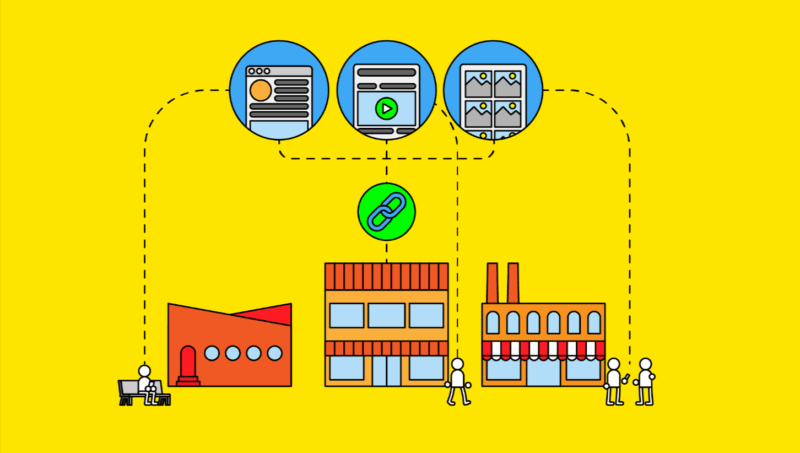

Backlinks remain one of the most important factors for ranking high on search engines. However, finding high-quality backlinks can be challenging, especially for new or growing websites. One of the most effective ways to discover backlink opportunities is by analyzing your competitors’ backlinks. Competitor backlink analysis helps you understand where your competitors are getting links, which websites trust them, and how you can replicate or improve their strategies.
In this article, we’ll explore step-by-step how to use competitor backlink analysis to uncover opportunities, including tools, strategies, and actionable tips suitable for beginners.
What is Competitor Backlink Analysis?
Competitor backlink analysis is the process of examining the backlinks pointing to websites that rank well in your niche. Essentially, it helps you see which sites are supporting your competitors and identify opportunities for your own website.

By analyzing competitor backlinks, you can discover high-authority websites that may be willing to link to your content as well. You can also identify content types that attract links, such as detailed guides, infographics, or research studies. This analysis allows you to spot gaps in your own backlink profile and plan targeted outreach campaigns.
Some of the main benefits include:
- Discovering high-authority websites: Knowing which sites link to competitors gives you a starting point for your outreach.
- Identifying link-worthy content: You can see what types of content earn the most links and replicate similar strategies.
- Spotting gaps in your backlink profile: If competitors are earning links from sites you haven’t targeted yet, these are immediate opportunities to explore.
Why Backlinks Matter for SEO
Backlinks are essentially votes of confidence from other websites. Search engines like Google use backlinks as a signal of trust and authority. A site with many high-quality backlinks is often perceived as more credible, which can boost rankings for targeted keywords.
Beyond search rankings, backlinks can drive direct referral traffic to your website. When a trusted site links to your content, users are more likely to click through and engage with your pages. This improves brand visibility and authority over time.
Key points to understand:
- Improved domain authority: High-quality backlinks contribute to your overall site strength.
- Higher keyword rankings: Search engines are more likely to rank pages with authoritative backlinks.
- Increased referral traffic: Backlinks bring targeted visitors who may convert into customers or subscribers.
- Enhanced brand credibility: Being referenced by other reputable sites builds trust with your audience.
Competitor backlink analysis accelerates your link-building efforts by showing you exactly where authoritative links are being earned. This helps you focus on high-potential opportunities instead of blindly reaching out to random sites.
Tools to Perform Competitor Backlink Analysis
Several tools make competitor backlink analysis beginner-friendly and actionable. These tools help you track backlinks, evaluate quality, and plan outreach:
- Backlink Checker: Backlink Checker allows you to see all the backlinks pointing to any competitor site. You can analyze referring domains, anchor text, link type, and authority scores. This tool helps identify which backlinks are high-quality and which are low-value. For extra insights and tips, check Backlink Checker Blog.
- Oficly: Oficly is a guest posting platform that helps you find high-authority sites for guest posting opportunities. By seeing where competitors have published guest posts, you can target the same platforms for your link-building campaigns. You can also read case studies and guides on Oficly Blog for effective outreach strategies.
- Accu Index Check: Accu Index Check ensures that the competitor backlinks you plan to target are indexed by Google. If a backlink isn’t indexed, it won’t contribute to SEO. This tool helps you focus only on links that will provide real value. For further tips, see Accu Index Check Blog.
Using these tools together allows you to not only discover link opportunities but also validate their quality and indexing status before reaching out.
Step 1: Identify Your Competitors
Before analyzing backlinks, you need to know who your online competitors are. Competitors aren’t just sites selling the same product—they include any website ranking for the same keywords or targeting the same audience.
Start by:
- Searching for your target keywords on Google to find top-ranking pages.
- Identifying high-authority sites in your industry or niche.
- Checking which sites appear repeatedly across multiple relevant keywords.
Once you have a shortlist of 3–5 competitors, you can focus your backlink analysis more effectively.
Step 2: Collect Competitor Backlink Data
After identifying competitors, use tools like Backlink Checker and Accu Index Check to collect backlink data. Focus on details such as:
- Referring domains and their authority: High-authority sites are more valuable for SEO.
- Anchor text used: Understanding anchor patterns helps with replicating or improving link strategies.
- Content types attracting links: See whether blog posts, research reports, or infographics earn the most links.
- Do-follow vs. no-follow links: Prioritize do-follow links for SEO value.
Collecting this data allows you to understand what is working for competitors and replicate their successful strategies.
Step 3: Analyze Patterns in Competitor Links
Simply collecting backlinks isn’t enough—you need to analyze them to find patterns. Look for trends such as:
- Which types of content get the most links?
- Are links coming from blogs, news sites, or forums?
- Do certain niches or industries link repeatedly?
For example, if a competitor’s guide on “SEO tips” is linked by multiple industry blogs, you could create an updated or more detailed guide to target the same sites.
Step 4: Identify Link Opportunities
Once patterns are identified, you can extract actionable opportunities. Some common approaches include:
- Guest Posting: Sites where competitors post guest articles can be contacted for your own content. Using platforms like Oficly makes this easier and faster.
- Resource Pages: Resource pages linking to competitors’ guides or tools may welcome your content as an additional reference.
- Broken Link Building: Identify broken links on pages that previously linked to competitors and suggest your updated content as a replacement.
Focusing on these opportunities ensures your outreach is targeted, increasing the chances of success.
Step 5: Prioritize Backlink Opportunities
Not all backlinks are equal. Focus on:
- High-domain authority websites that can pass significant SEO value.
- Sites relevant to your niche to ensure contextual linking.
- Links that are indexed and active (verify using Accu Index Check).
Avoid low-quality directories, spammy sites, or irrelevant industries. Targeting the right backlinks increases long-term SEO benefits and minimizes risks.
Step 6: Outreach Strategically
Effective outreach increases your success rate:
- Personalize emails to site owners, explaining why your content is valuable.
- Reference competitor links where relevant to demonstrate industry context.
- Use guest posting platforms like Oficly to simplify communication with authoritative sites.
- Offer unique insights or updated content rather than repeating what competitors have already shared.
By building relationships and providing real value, you increase the likelihood of earning high-quality backlinks.
Step 7: Track and Measure Results
After gaining backlinks, it’s essential to monitor their performance. Track metrics such as:
- Referral traffic from backlinks.
- Ranking improvements for target keywords.
- Indexing status with Accu Index Check.
- Authority and engagement metrics for linking pages.
Regular monitoring allows you to refine your strategy, focus on effective tactics, and avoid wasted effort on low-value links.
Conclusion
Competitor backlink analysis is a powerful strategy for discovering high-quality link opportunities. By identifying where competitors are earning links, analyzing patterns, and reaching out strategically, you can accelerate your link-building efforts while maintaining SEO quality.
Using tools like Backlink Checker, Oficly, and Accu Index Check helps simplify the process, verify link quality, and track performance.
The key takeaway is to focus on quality, relevance, and strategic outreach. By combining thorough analysis with high-value content and ethical link-building practices, even beginners can build a stronger, more authoritative website over time.

